How to Match the Award to the Achievement
Recognition works best when it feels thoughtful. When an award reflects the effort, impact, and meaning behind an achievement, it becomes more than a moment. It becomes something people remember, display, and take pride in.
Not every accomplishment carries the same significance, and not every award should look or feel the same. Choosing the right match helps reinforce the importance of what was achieved and ensures that recognition feels intentional rather than routine.
Why the Right Match Matters
An award does more than mark a milestone. It communicates the value of the achievement itself. When the selection feels aligned, the recognition feels earned. When it does not, the moment can lose some of its impact.
A well-matched award reflects the level of effort involved and the meaning behind the accomplishment. It shows that the recognition was carefully planned, which makes a stronger impression on the recipient.
Over time, this approach also helps shape how success is viewed within an organization. It sends a clear message about what matters and what is worth celebrating.
Recognizing Different Types of Achievements
Different types of achievements call for different approaches. Taking the time to define the type of recognition helps guide the selection process.
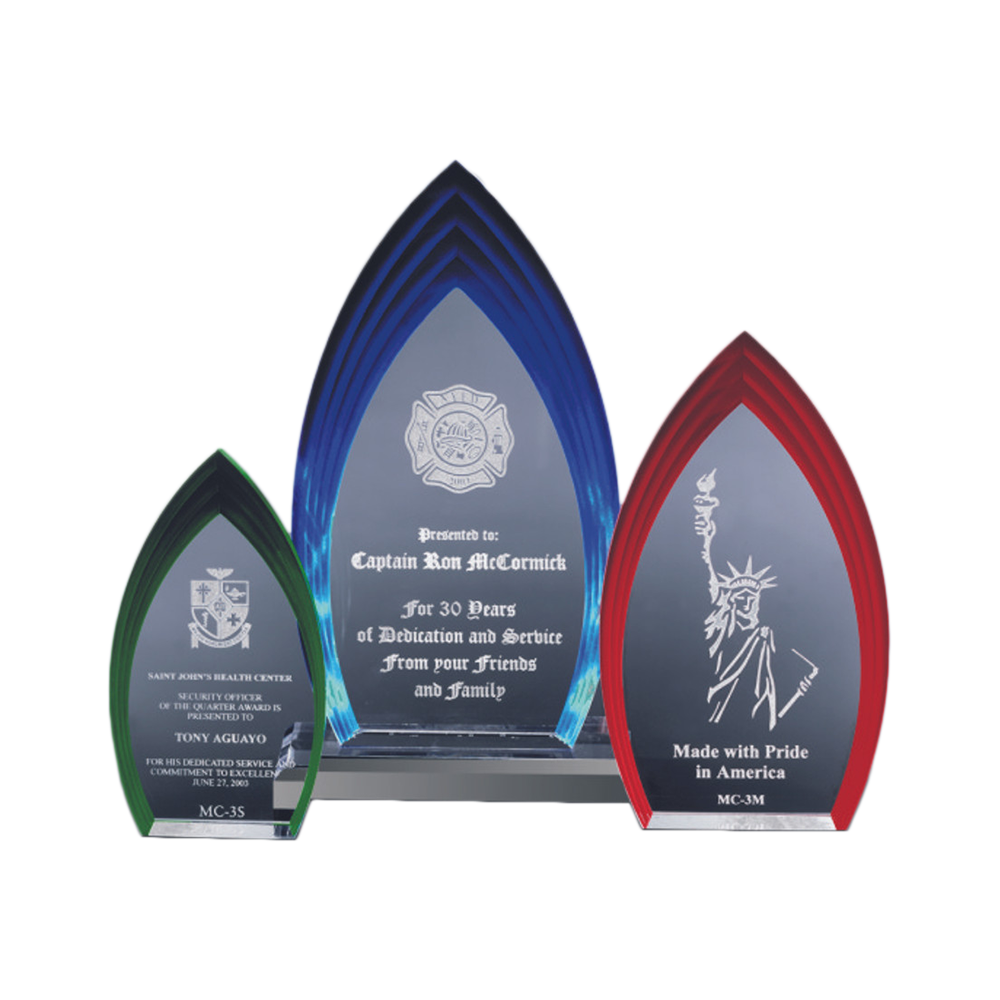
For milestones and service anniversaries, the focus is on long-term commitment and consistency. These moments often benefit from awards that feel lasting and timeless. Plaques, crystal pieces, or classic glass designs work well because they reflect stability and appreciation over time.
Performance-based recognition is tied to standout results. These achievements often represent a greater impact, so the award should reflect that. Larger or more visually striking pieces can help capture the significance of the moment and elevate the recognition.
Team achievements bring a different dynamic. The goal is to celebrate shared success while still giving individuals something meaningful.
In some cases, a shared display piece works well. In others, individual awards that tie back to team accomplishments can create a more personal experience.
Every day, recognition plays an important role as well. Smaller moments of appreciation can build consistency and reinforce positive behaviors. In these cases, practical items or smaller keepsakes can feel appropriate while still making the recipient feel valued.

Matching Style and Material to the Moment
The look and feel of an award adds another layer of meaning. Style and material choices can influence how the recognition is perceived.
More formal achievements tend to pair well with refined materials such as crystal or polished glass. These materials create a sense of importance and are often associated with high-level recognition. Modern workplaces may lean toward clean acrylic designs or contemporary shapes that reflect a current and forward-thinking culture.
Creative or unique accomplishments may benefit from more artistic designs or pieces that stand out visually. These choices can help capture the spirit of the achievement and make the award more memorable.
Matching the style to both the achievement and the company culture helps ensure the recognition feels consistent and intentional.
Considering Visibility and Longevity
Another important factor is what happens after the award is given. Some awards are meant to be displayed as a reminder of achievement. Others become part of a person's daily routine.
Display items, such as plaques or decorative awards, create a permanent visual reminder of the accomplishment. They help keep the achievement visible to others and reinforce a sense of pride.
Practical items offer a different kind of visibility. Items used regularly can keep recognition present in everyday life. This can be especially useful for ongoing appreciation efforts, where consistency matters.
Thinking about where the award will live and how often it will be seen can help guide the selection toward options that have a lasting impact.
Personalization Makes the Difference
Personalization is one of the most important elements in making an award meaningful. Adding a name, date, and message transforms an item into something specific to the recipient.
A well-written message helps capture the story behind the achievement. It provides context for the recognition and makes it easier for the recipient to connect the award to their efforts and contributions.
Custom design elements, such as logos or unique layouts, can also enhance the overall experience. These details show that the recognition was created with intention, which adds to its value.
Practical Considerations Before You Decide
While meaning and design are important, practical factors also play a role in the decision.
Budget, quantity, and timeline can all influence the type of award that makes sense for a particular program. Planning ahead helps ensure there is enough time for customization and production, especially for larger events or bulk orders.
Consistency is another consideration. Recognition programs benefit from a clear approach, so recipients understand how achievements are being celebrated across the organization.
Balancing these practical elements with thoughtful selection helps create a smoother process and a stronger final result.
The most effective recognition feels aligned with the moment. When the award reflects the achievement, the impact is stronger and more lasting.
Thoughtful selection helps reinforce success, create meaningful experiences, and support a culture where people feel valued.